
Nejlepší zahraniční casina pro české hráče
If you’ve spent any time comparing odds on AFL matches or State of Origin, you’ll know the numbers rarely sit still. Before you even think about staking, it helps to work out how to calculate overround betting margins so you can see what the book is actually charging. The vig is just the bookmaker’s built-in cushion, and once you spot it, you stop treating every line like a fair go. I’ve spent a decade in growth and lifecycle marketing across SaaS and FinTech, and the same discipline applies here: measure the margin before you commit, because a platform that looks busy as a lizard drinking on promo can still leave you paying for the privilege.
What the overround actually is and why it matters
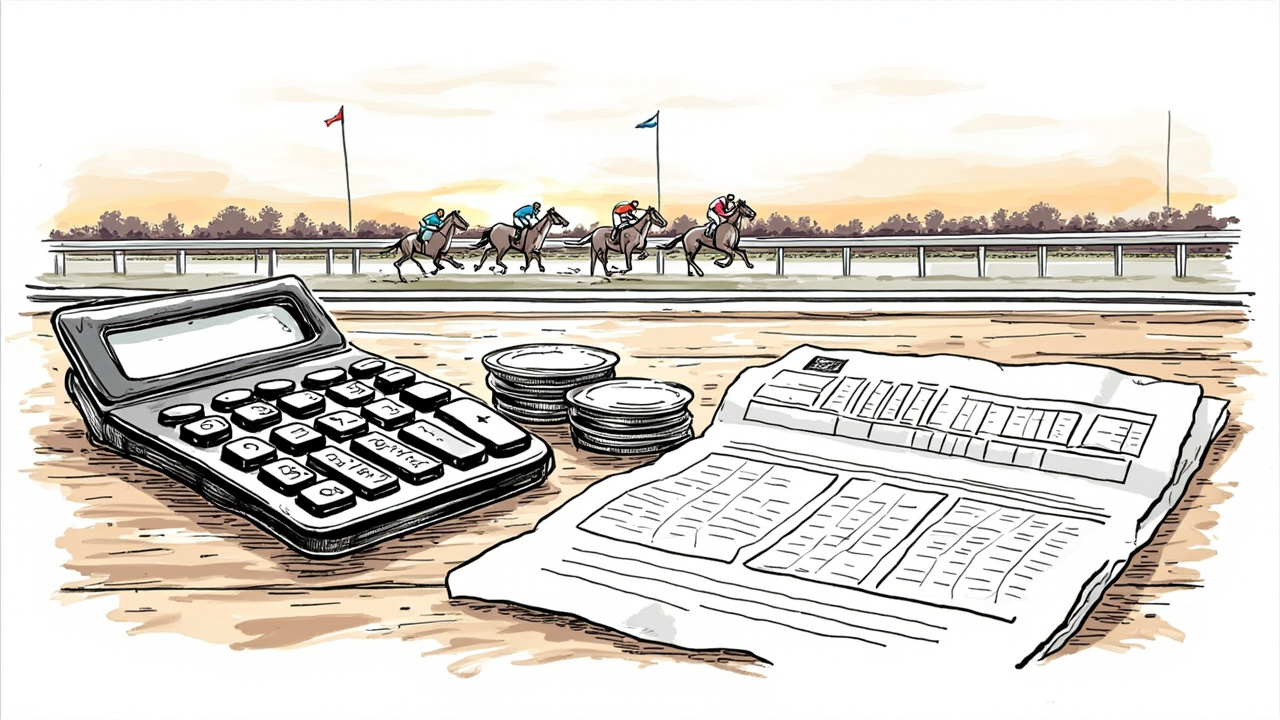
The overround is the sum of the implied probabilities across all outcomes in a market, and it always lands above 100 per cent. That extra slice is the bookmaker’s edge, baked into the odds before a ball is kicked or a card is dealt. For an Aussie punter, this is the quiet tax you pay every time you back a side at fixed odds, and it’s why two bookies can show different prices on the same Adelaide United fixture while one quietly keeps more of the action. When you break the maths down, you convert each decimal odd into a probability by dividing one by the odd, then add those figures together. A market sitting at 105 per cent means the book holds a 5 per cent overround, which is roughly the vig you’re working against on every dollar wagered.
I’ve managed lifecycle campaigns where the margin on a subscription tier decided whether a user stayed past the first month, and the same logic holds for betting markets. A thin overround on a head-to-head line is usually a sign the book is pricing aggressively, while a bloated figure on a player prop suggests the book is protecting itself against lopsided action. None of this guarantees a win, and it certainly doesn’t make any outcome risk-free, but it does tell you whether the price you’re seeing is reasonable or just dressed up. You still need to do your own homework, respect your limits, and remember that no offshore site is licensed or regulated in Australia, so the numbers are the only honest signal you’ve got.
| Market type | Typical overround range | What it usually signals |
|---|---|---|
| Head-to-head match winner | 4-7 per cent | Standard two-way pricing, often competitive on major leagues |
| Three-way football (1X2) | 5-9 per cent | Extra outcome pushes the margin up, watch for heavy draw pricing |
| Player or team props | 8-15 per cent | Thinner liquidity and more book protection, often wider vig |
How to calculate overround betting step by step
Working it out yourself is straightforward once you’ve got the odds in front of you. Take a simple two-way market, grab the decimal price for each side, and divide one by each number to get the implied probability. If one side is sitting at 1.85 and the other at 2.00, you’re looking at roughly 54.05 per cent and 50.00 per cent, which adds up to 104.05 per cent. That 4.05 per cent is your overround, and it’s the bookmaker’s cut built into the line. You can run the same sum on a three-way market or a multi-leg accumulator, though the maths gets a bit noisier once you’re stacking outcomes together.
The practical bit is knowing when the figure is worth acting on. In my experience running retention flows for eCommerce and FMCG brands, a small difference in margin often separates a campaign that converts from one that just burns budget, and betting markets work the same way. A market hovering near 102 per cent on a tight contest is usually pricing close to the money, while anything pushing past 110 per cent on a niche prop is the book asking for a fair contribution to its risk book. If you’re logging into a rich royal casino login access portal or any other platform, the same calculation applies regardless of the interface, because the odds themselves carry the margin, not the skin of the site.
That same discipline applies when evaluating entertainment platforms, where understanding the underlying mechanics prevents unnecessary spend. Before committing resources to any digital venue, it helps to review established community guidelines and operational standards at rich royal casino login access. Ultimately, treating every engagement as a calculated decision rather than a impulse keeps your overall margins intact.
Where the maths meets your actual betting habits
Most punters don’t need to run this calc on every single line, but it pays to use it when you’re comparing books or deciding whether a price is worth a crack. If you’re the sort who mainly backs margin-heavy markets like correct score or first goalscorer, you’ll usually see a wider overround because the book is carrying more uncertainty and less liquidity. On the flip side, a straight match-winner line on a regular league fixture tends to be tighter, which is why seasoned players often keep their staking simpler on those events. I’ve seen the same pattern in FinTech onboarding, where the simplest path usually carries the lowest friction and the highest completion rate. Mamant
There’s also a timing angle worth keeping in mind. Odds shift as money moves, and the overround can tighten or widen depending on how the book is balancing its book. If you’re checking prices in the arvo before a weekend session, a sudden widening might mean the book is protecting itself against a surge on one side, not that the underlying chance has changed. That’s where a bit of discipline comes in: use the calc to spot when a line is carrying extra cost, then decide whether the price still lines up with your read of the event. If you want a bit more context on playing smart with table games, our neighbour’s piece on how to play online blackjack smart in Australia walks through a few practical habits that pair well with this kind of margin awareness.
Keeping the numbers in perspective
At the end of the day, the overround is just one piece of the puzzle, and it won’t hand you an edge on its own. It tells you what the book is charging, not whether your read is right, and that distinction matters if you want to keep your betting sensible and within your means. Work the calc when you’re comparing lines, use it to flag markets that are carrying extra vig, and don’t let a shiny promo or a busy interface distract you from the actual price. The books have their margin, you’ve got your staking limits, and the rest is just careful decision-making.
update: 2026년 8월 21일 20:39
연관된 다른 기사